Coming soon. This trail will include all of Corstorphine and Clermiston with animal themed sites increasing footfall to shops and green spaces, encouraging exercise and fresh air. The focus will be on endangered species.
The Royal Zoological Society of Scotland (RZSS), which runs Edinburgh Zoo and Highland Wildlife Park, has committed to reversing the decline of at least 50 species by 2030.
Below are examples of species RZSS is actively supporting through conservation, research, breeding, and community partnerships.
Scottish & UK Species
🐱 Scottish Wildcat
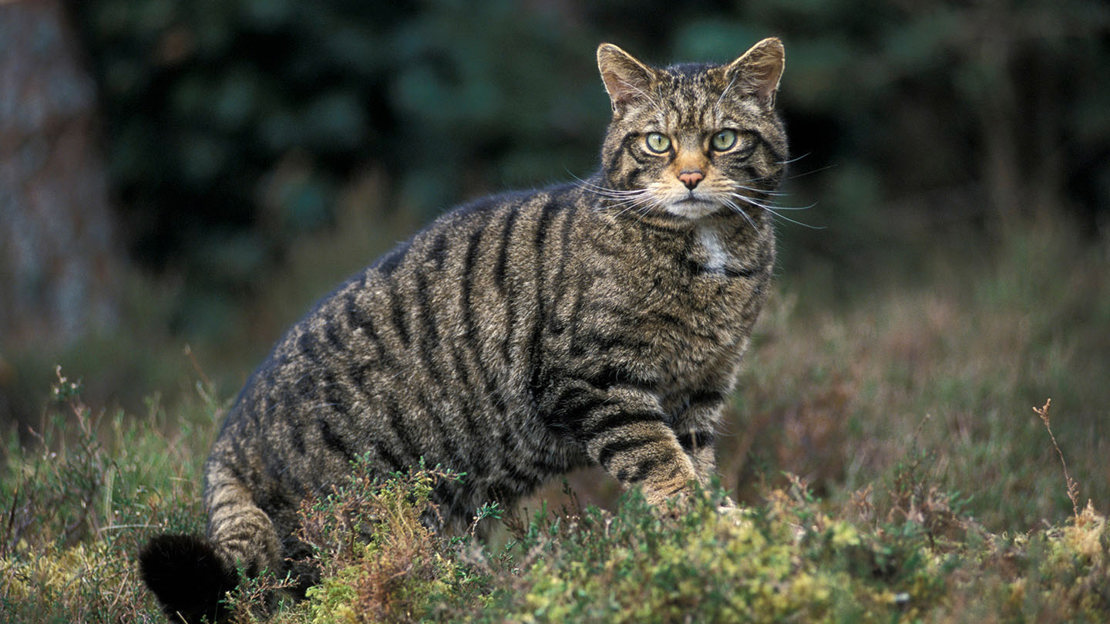

Often described as Britain’s most endangered mammal, the Scottish wildcat has declined due to habitat loss, persecution, and hybridisation with domestic cats.
RZSS leads a national breeding and reintroduction programme aimed at restoring wildcats to the Scottish landscape.
🪰 Pine Hoverfly


One of the UK’s rarest insects, the pine hoverfly depends on ancient Scots pine forests and decaying wood.
RZSS has played a key role in captive breeding and reintroduction, demonstrating how vital invertebrates are to healthy ecosystems.
🐌 Pond Mud Snail

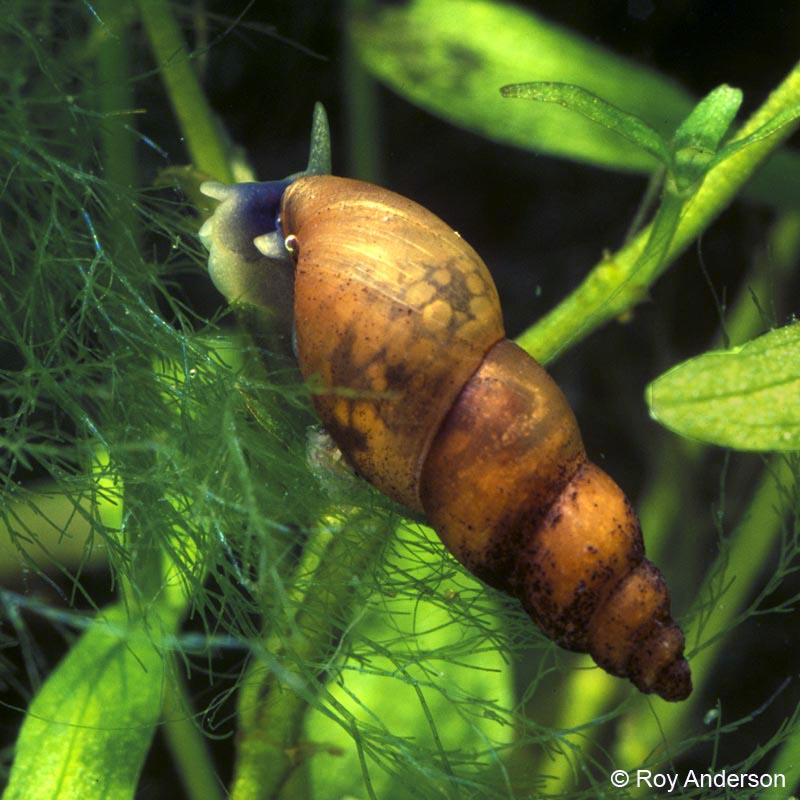
This rare freshwater snail is highly sensitive to pollution and habitat disturbance.
Its protection highlights the importance of clean water, wetlands, and careful land management.
🐿️ Red Squirrel

Once widespread across Britain, red squirrels have declined due to habitat loss and competition from grey squirrels.
RZSS supports recovery initiatives and habitat protection to safeguard remaining Scottish populations.
🪲 Blood-red Longhorn Beetle
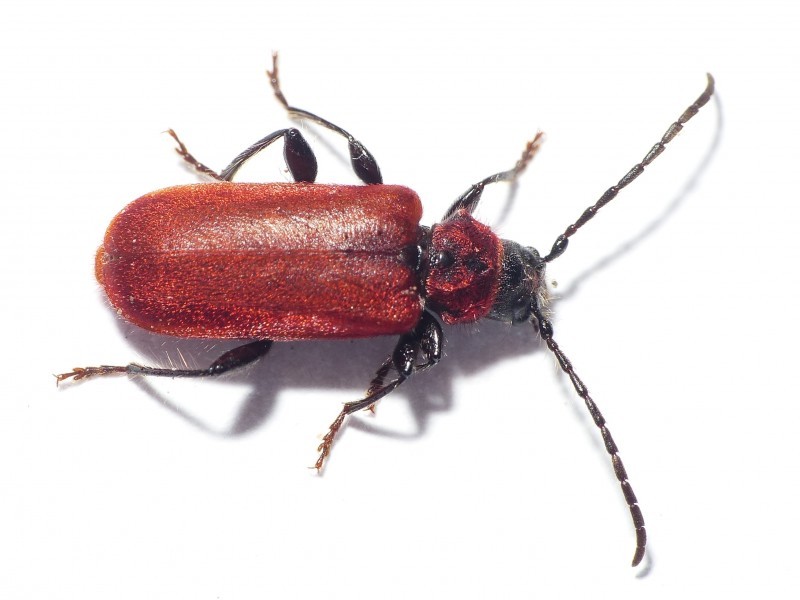

This striking beetle depends on dead and decaying wood, especially in old trees.
Its decline reflects the loss of veteran trees and deadwood habitats, which support hundreds of other species.
International Species
🦒 Giraffe
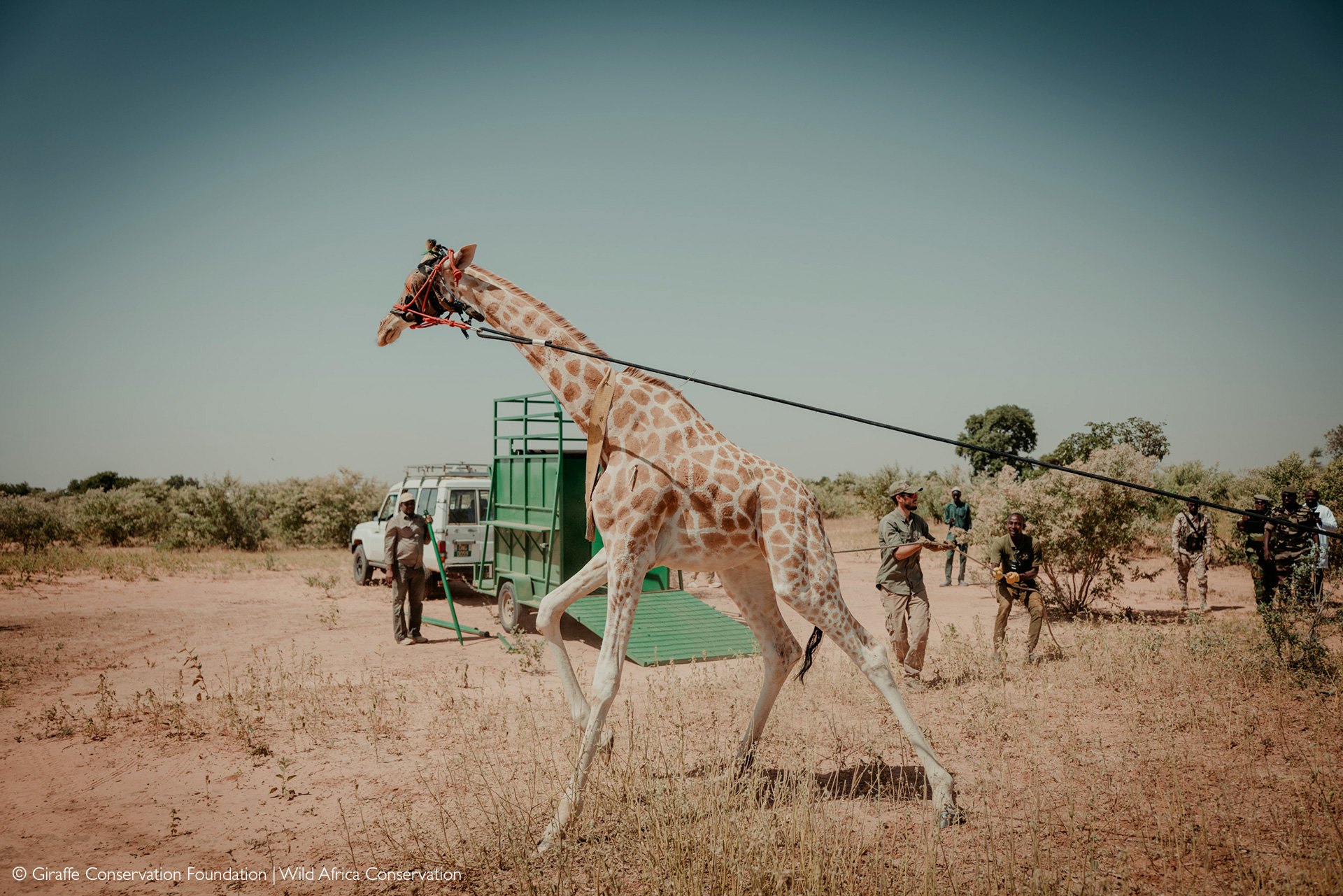

Despite their familiarity, giraffe populations have fallen sharply across Africa.
RZSS supports conservation projects focused on habitat protection and long-term population monitoring.
🐘 Asian Elephant
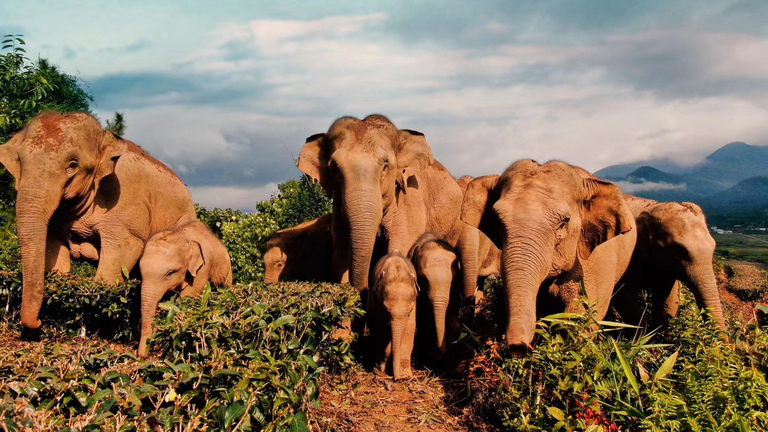

Asian elephants face threats from deforestation, development, and human-wildlife conflict.
RZSS works with partners to promote community-led conservation and coexistence.
🐒 Chimpanzee
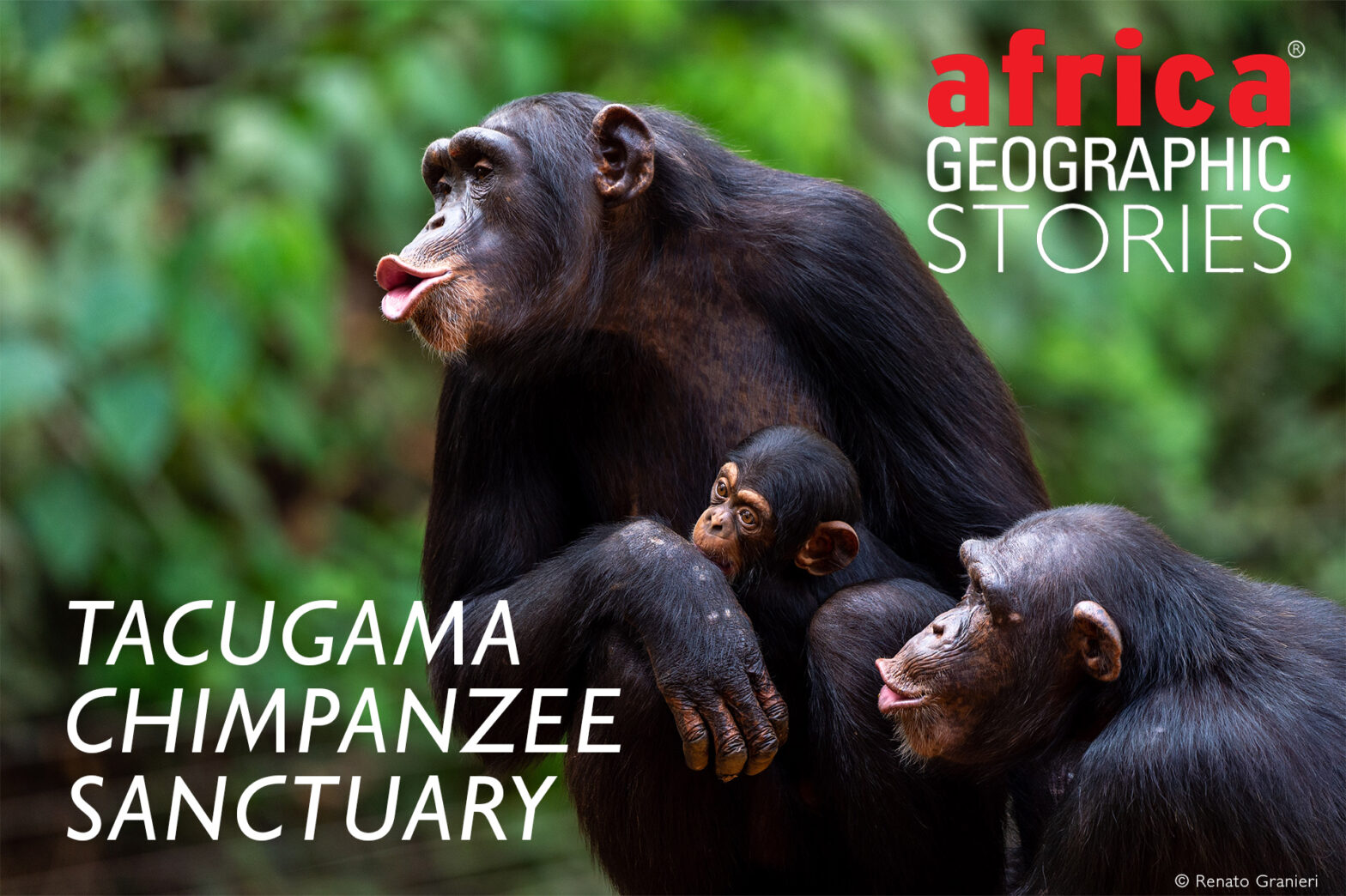

Chimpanzees are threatened by habitat loss, poaching, and disease.
RZSS supports projects that protect forests while working with local communities.
🐜 Giant Anteater
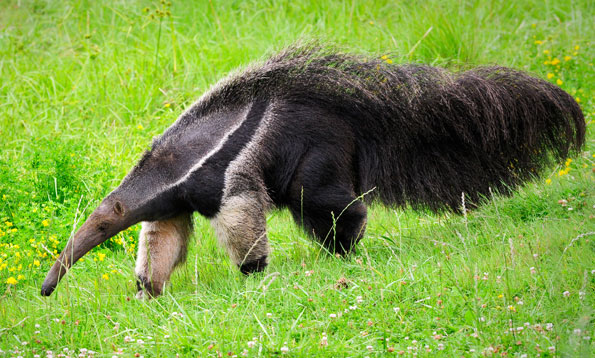

Native to South America, giant anteaters are vulnerable to fires, roads, and agricultural expansion.
RZSS contributes to conservation programmes improving habitat connectivity and reducing risk.
🐦 Bengal Florican


One of the world’s rarest birds, the Bengal florican relies on threatened grassland habitats.
Its conservation depends on protecting traditional land use and biodiversity-rich grasslands.
🐱 Pallas’s Cat
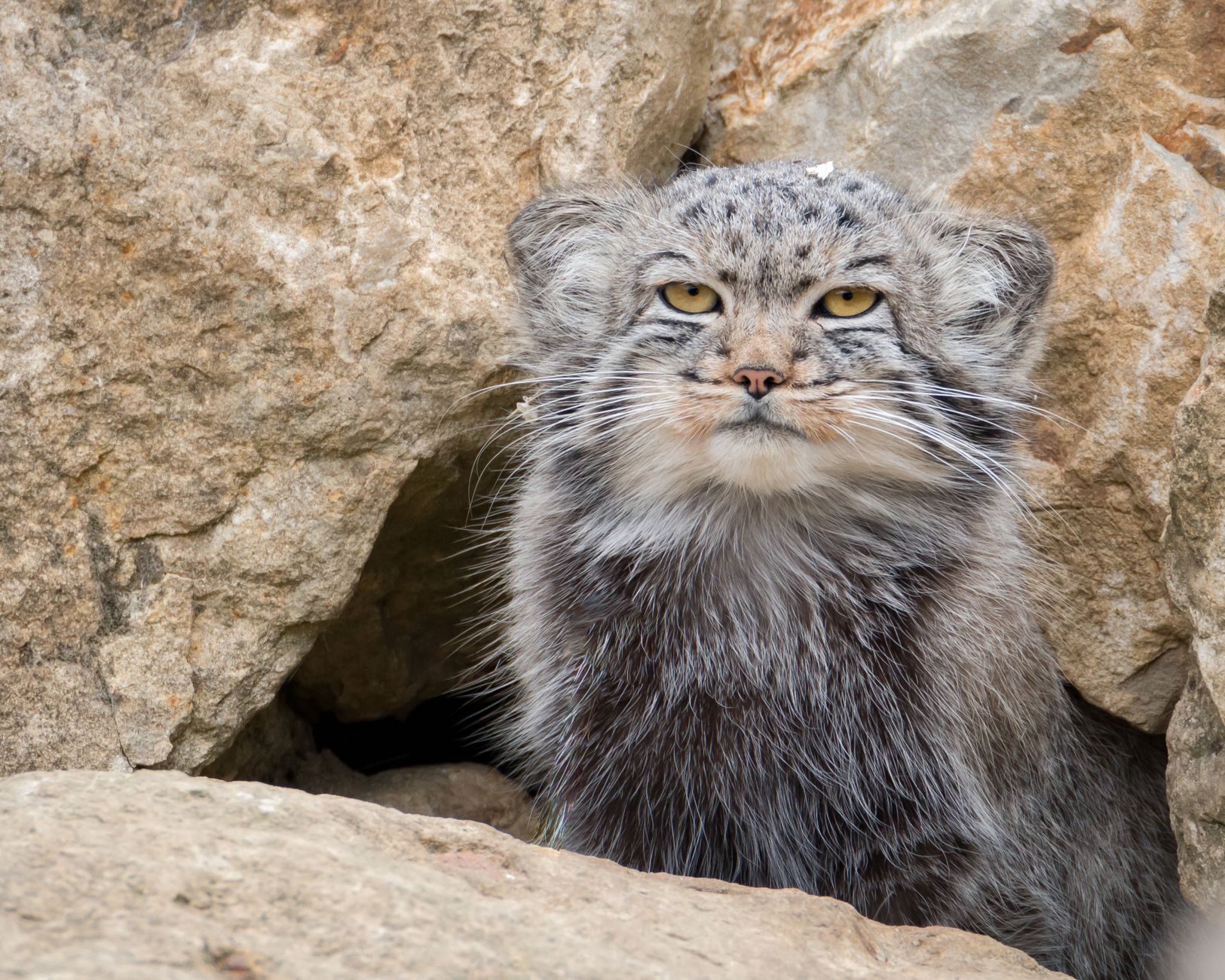
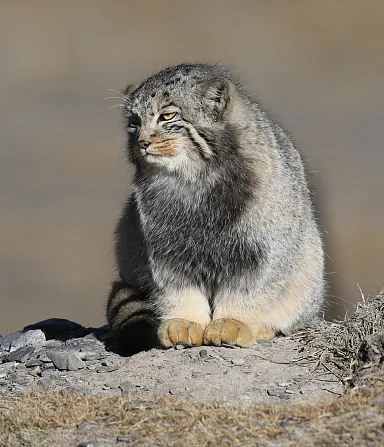
This elusive small wildcat lives in the cold grasslands of Central Asia.
RZSS supports research and conservation to better understand and protect this little-known species.
 Corstorphine in Bloom