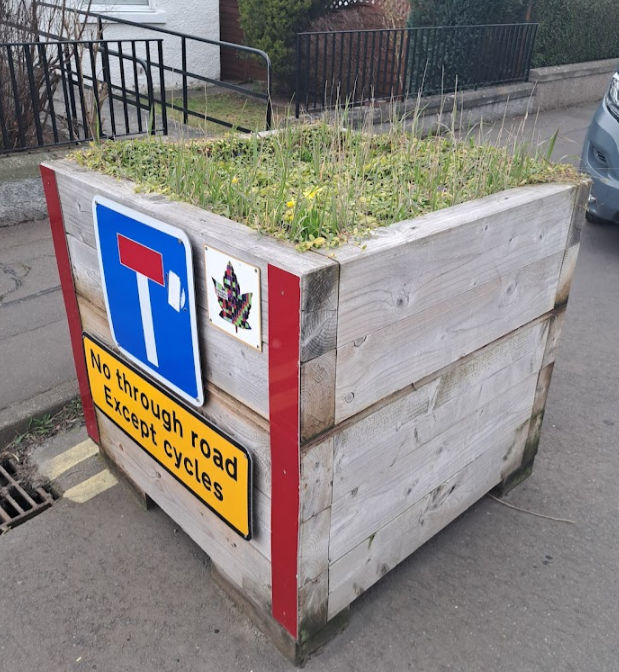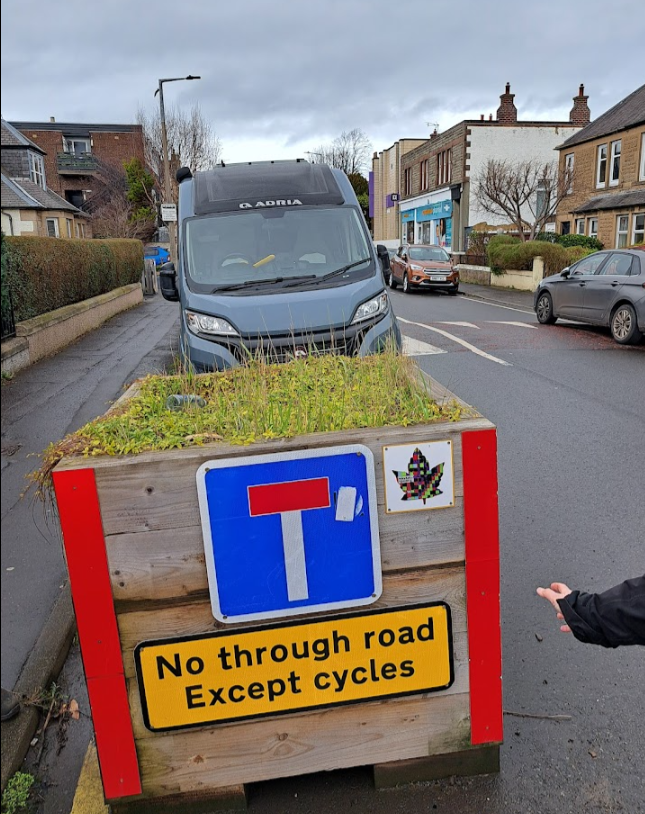

This planter is watered by two local residents. Please follow the health and safety guidance for volunteers.
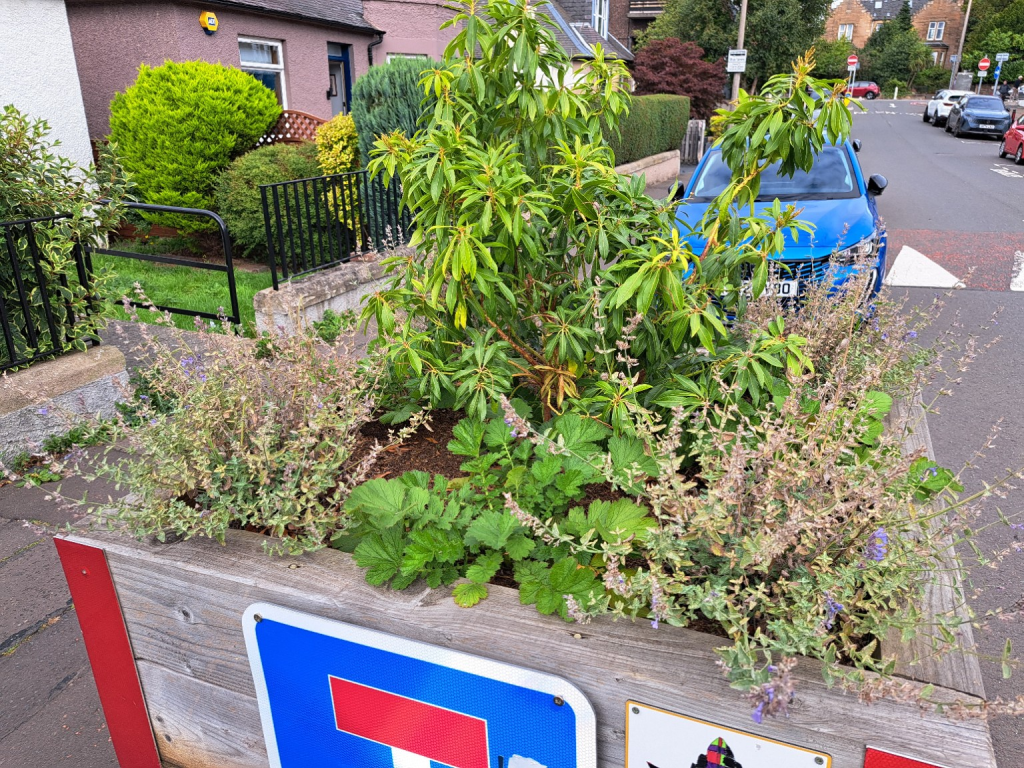
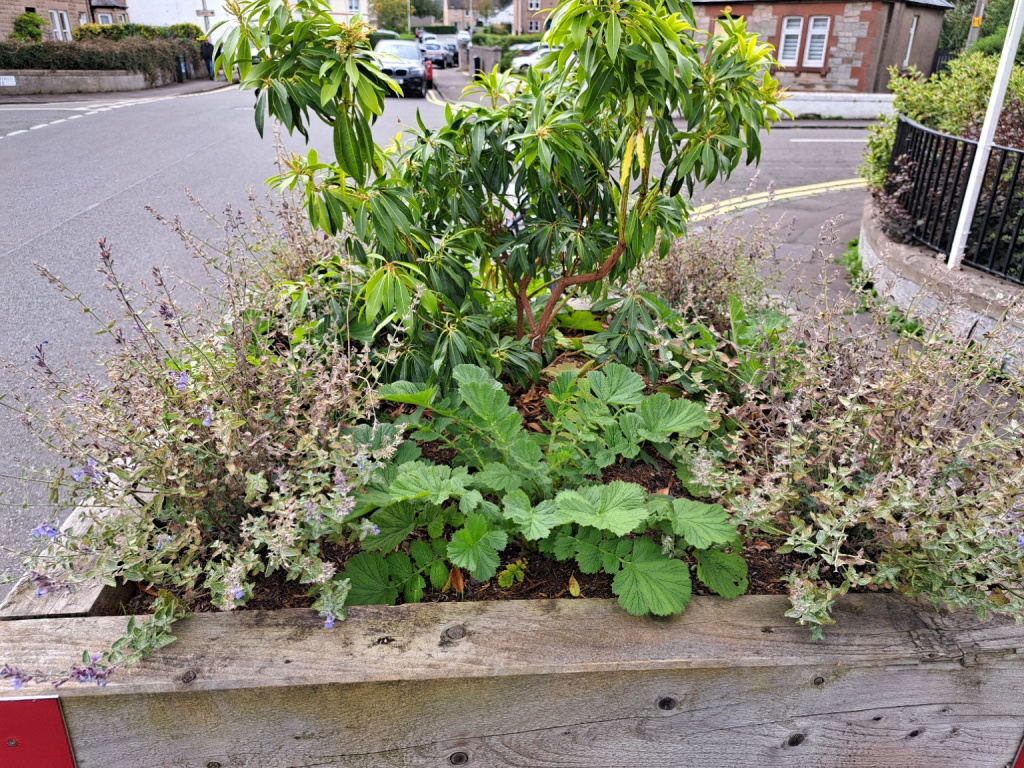
A review of the planting on 14th September identified the plants as
- Centre – probably honey spurge (Euphorbia mellifera)
- Around the outside – probably catmint (Nepeta)
- Low green clumps at the front – most likely a hardy perennial such as a Geum or hardy geranium.
Autumn Work
For this planter, I’d maintain it like this:
Looking at the photographs, I wouldn’t undertake a major overhaul. I’d give it perhaps 20–30 minutes of maintenance: cut the sprawling catmint/calamint back by roughly a third, remove the obviously brown flower stems, take dead leaves from around the Geums, weed the exposed soil, and leave the Euphorbia essentially untouched.
Then in March/April, give the whole planter its main tidy-up: cut the catmint/calamint hard back, clean up the Geums, add a 2–3 cm layer of compost, and decide whether the central Euphorbia needs thinning after it flowers.
One thing I would not do is add lots of fertiliser. All three plants are currently growing strongly, and rich feeding would probably make the Euphorbia and catmint even larger and floppier.
Catmint
- Now, in September: cut the sprawling flowering stems back by about one-third to one-half, especially anything hanging over the road signs or looking brown and untidy. Remove dead material from the centre, but leave a decent green framework.
- Late winter/early spring (February–March): cut it back much harder, to roughly 5–10 cm above the soil. It should then produce a fresh compact mound.
- Next summer: after the first big flush of flowers, usually June/July, shear it back by around one-third. This is the key trick with catmint: it normally responds with fresh foliage and another round of flowers rather than becoming sprawling.
- Watering: once established it is quite drought-tolerant, but a raised planter dries quickly. In prolonged dry weather, give it a thorough soak rather than frequent small amounts.
- Feeding: don’t feed it heavily. Too much fertiliser tends to produce lots of floppy growth. A little compost around the plants in spring is enough.
honey spurge (Euphorbia mellifera).
I would leave it alone this autumn apart from removing dead, broken or badly crossing branches. It is giving the planter its height and year-round structure, and pruning it hard now could leave tender new growth exposed over winter.
In late spring, after it has flowered, assess its size. It is already getting fairly large for this planter, so I would probably remove one or two of the oldest woody stems right down near their base and shorten any branches that are leaning badly over the edge. Do that gradually each year rather than clipping the whole plant into a ball. One important point: Euphorbia produces milky sap that can irritate skin and particularly eyes, so volunteers should wear gloves and ideally eye protection when pruning it.
Geum.
They are actually looking quite healthy. For those, I would:
- Now: remove any yellow, brown or damaged leaves. Don’t cut the whole plant down.
- During flowering: snip off finished flower stems at their base. That encourages further flowers and keeps the planter looking tidy.
- Spring: clear away the oldest foliage and give each clump a little compost around it.
- Every 3–4 years: if the clumps become large and congested, lift and divide them in spring or early autumn. You can then use the spare pieces in other Corstorphine in Bloom planters.
- Water: they appreciate more moisture than the catmint, so in a prolonged dry spell they are one of the plants I’d particularly watch.
About this planter
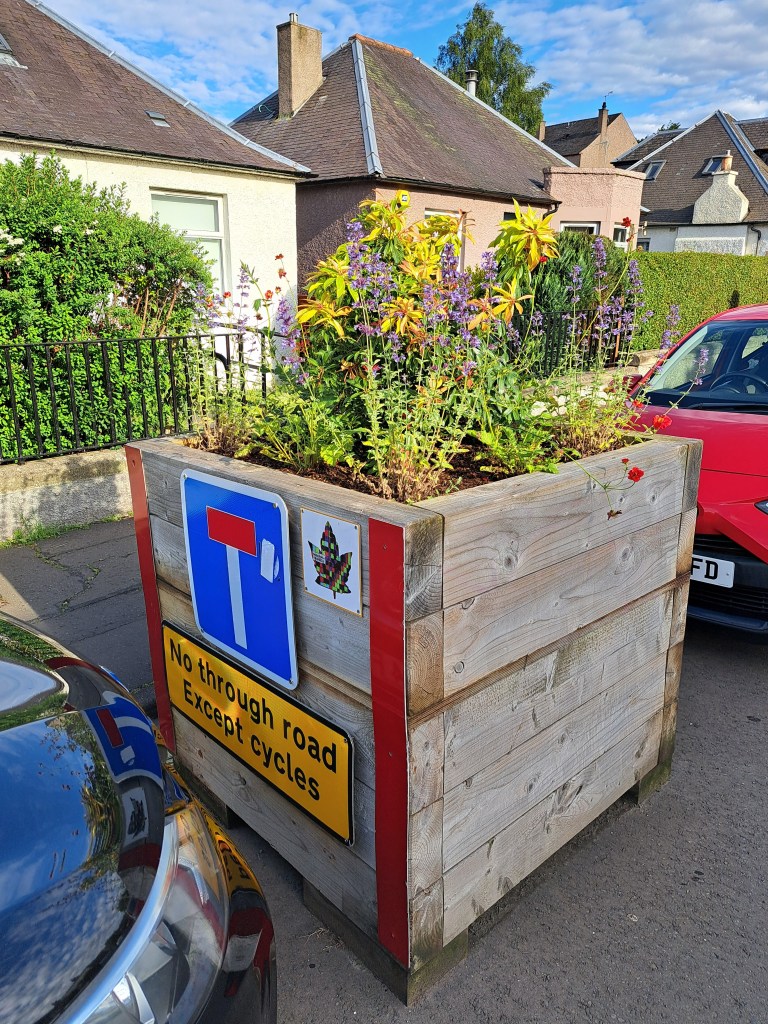
This planter sits outside on Featherhall Avenue and is 100 cm x 100cm.
All we need are one or two local people willing to keep an eye on it during the growing season.
What is involved?
Very little!
✔ Pull the occasional weed
✔ Water during dry spells
✔ Spend a few minutes helping the area look nicer
Most volunteers give 5–10 minutes every now and again.
Why it matters
Small efforts like this make the street more colourful, improve the local environment and help bring the community together.
Looking for
1–2 local volunteers to help look after this planter.
Register your interest
Register your support below and the lead volunteer for this planter will contact you.


We may occasionally send updates about Corstorphine in Bloom.