More than making Corstorphine look good
Corstorphine in Bloom brings people together to make our neighbourhood greener, more biodiverse and better prepared for a changing climate.
Flowers and attractive streets are part of what people see, but our environmental aims go much further. Our work focuses on biodiversity, climate adaptation, flood resilience, sustainable planting and widening participation in local environmental action.
We do not suggest that planting a few containers will, on its own, make a significant reduction in carbon emissions. Our contribution is about practical local climate and nature action: creating more habitat, helping pollinators, introducing climate-resilient planting, connecting green spaces, encouraging walking, involving people who might not otherwise take part in environmental activity, and building the skills and volunteer networks needed to look after our neighbourhood in the long term.
Supporting biodiversity
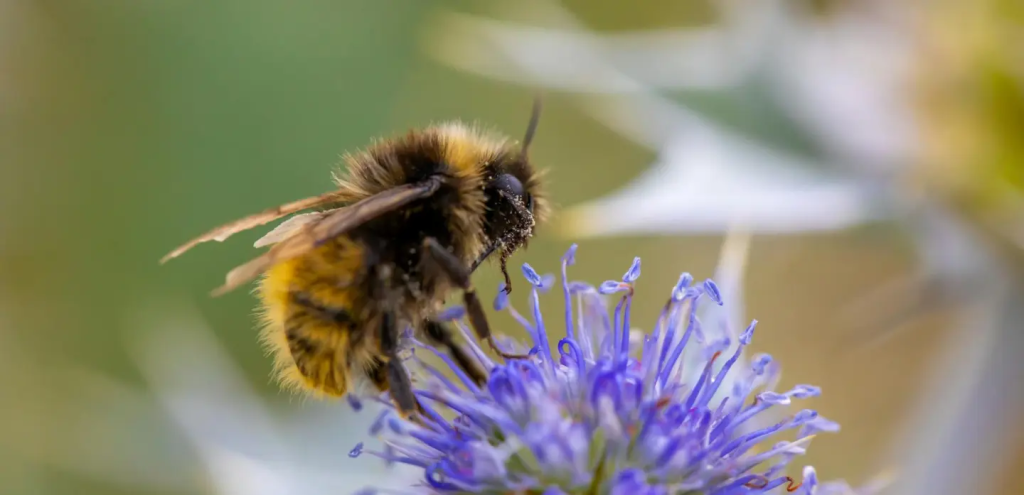
One of our central aims is to increase the amount and variety of food and habitat available to bees, butterflies, hoverflies and other wildlife.
Our plans include:
- pollinator-friendly planting across local shopping areas, parks and community spaces;
- increasing the use of native and wildlife-friendly plants;
- creating permanent perennial planting and wildflower areas where suitable;
- avoiding pesticides and weedkillers wherever possible;
- encouraging planting that provides flowers across different seasons; and
- developing a pollinator corridor, with smaller planted areas acting as stepping stones between Corstorphine’s larger green spaces.
Our ambition is therefore not simply to create isolated floral displays, but to make numerous small spaces work together as part of a more connected local nature network.
Adapting to a changing climate
Climate change is already bringing hotter, drier periods as well as episodes of heavier rainfall.
We are encouraging planting and maintenance practices that are better suited to those changing conditions. Our guidance includes drought-resistant and lower-maintenance plants, perennial planting, peat-free compost, mulching and water-retaining materials to reduce water demand.
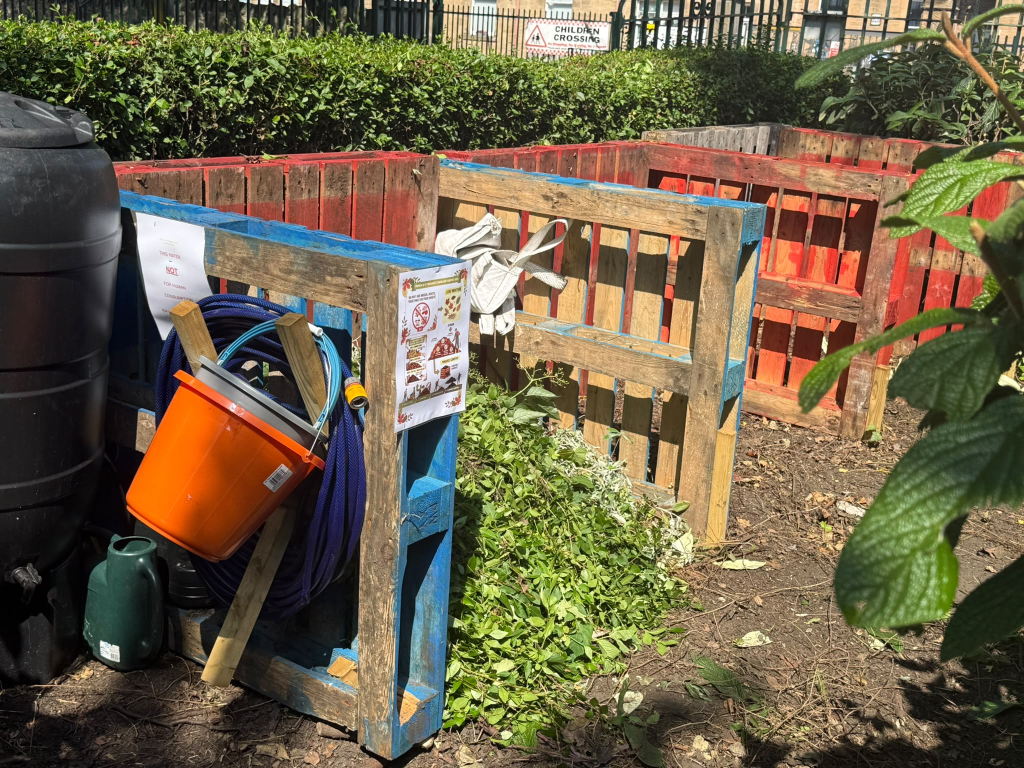
We prioritise circular resources by using peat-free growing media, exploring rainwater harvesting (water butts), and carrying out maintenance rounds locally on foot.
Our longer-term plans also include increasing vegetation and permeable planted areas which can absorb rainfall, provide shade and cooling, and make our streets and neighbourhoods more resilient.
Trees, shade and greener streets
Trees are an important part of our longer-term vision for a greener and more climate-resilient Corstorphine.
We want to identify opportunities for additional tree planting, particularly where trees can provide several benefits at the same time: creating habitat, increasing biodiversity, providing shade during hotter weather, improving the quality of streets and public spaces, and helping to manage rainfall.
We are particularly interested in the potential for trees to form part of Sustainable Drainage Systems (SuDS). Rather than simply allowing rainwater to flow rapidly from hard surfaces into drains, appropriately designed tree pits, rain gardens and planted areas can intercept rainfall and allow more water to soak gradually into the ground.
This means that tree planting can contribute simultaneously to climate adaptation, biodiversity, urban cooling and surface-water management.
We will work with the City of Edinburgh Council and other partners to identify locations where additional trees and other forms of nature-based drainage could provide the greatest environmental benefit.
Tackling flooding through nature
Climate resilience also means preparing for heavier and more intense rainfall.
We have examined Scottish Environment Protection Agency surface-water flood information for Corstorphine and Clermiston so that areas at greater risk of flooding can be considered when future greening projects are planned.
Our approach is to look for opportunities where planting can do more than improve appearance.
This can include:
- trees designed to intercept and absorb rainfall;
- rain gardens;
- swales which temporarily collect and slow surface water;
- wildflower and perennial planting within drainage areas;
- increasing permeable and planted surfaces; and
- designing green spaces so that water can be held and released more slowly after intense rainfall.
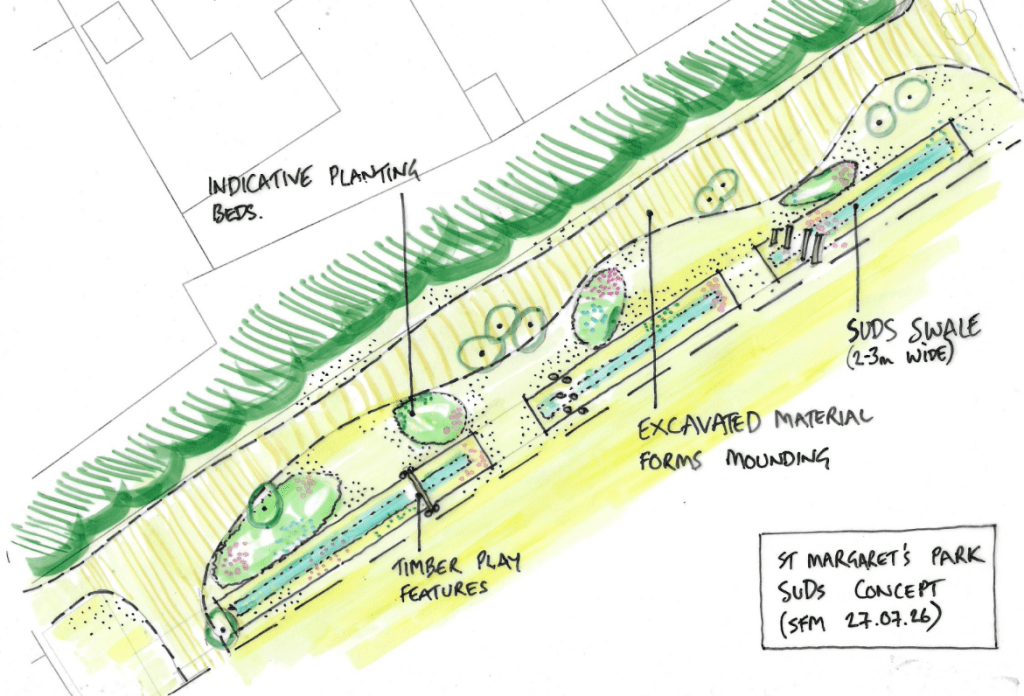
A practical example is being developed in St Margaret’s Park, one of the five parks involved in the wider Corstorphine in Bloom network.
Friends of St Margaret’s Park have been working with City of Edinburgh Council officers on proposals for a natural play and sustainable drainage area. The concept includes shallow swales to receive rainwater, wildflower planting, additional planting areas, landscaping and natural play features.
This would address a real area of the park affected by wet and muddy conditions while simultaneously creating new habitat and an attractive natural space for children and families.
It demonstrates the type of approach we want to encourage across Corstorphine: using nature to help communities adapt to climate change rather than treating planting, flooding, recreation and biodiversity as separate issues.
Engaging children and schools in climate and nature action
Engaging children and young people is an important part of making environmental action sustainable over the long term.
Corstorphine in Bloom is developing opportunities for local schools to use planting, parks and community greenspaces as places for practical outdoor learning.
Activities can include:
- growing pollinator-friendly plants;
- creating small wildlife habitats;
- learning about bees, butterflies and food chains;
- tree and wildlife identification;
- measuring plant growth;
- recording pollinator numbers and biodiversity;
- learning how weather, soil and water affect plants;
- growing food and herbs;
- composting and collecting seed;
- exploring climate change and local flood resilience; and
- helping to care for a shared community space.
These activities link directly to Curriculum for Excellence subjects including science, numeracy, health and wellbeing, geography, technologies, citizenship and sustainability.
A practical example is already being developed with Corstorphine Primary School Nursery and P6 pupils at St Margaret’s Park.
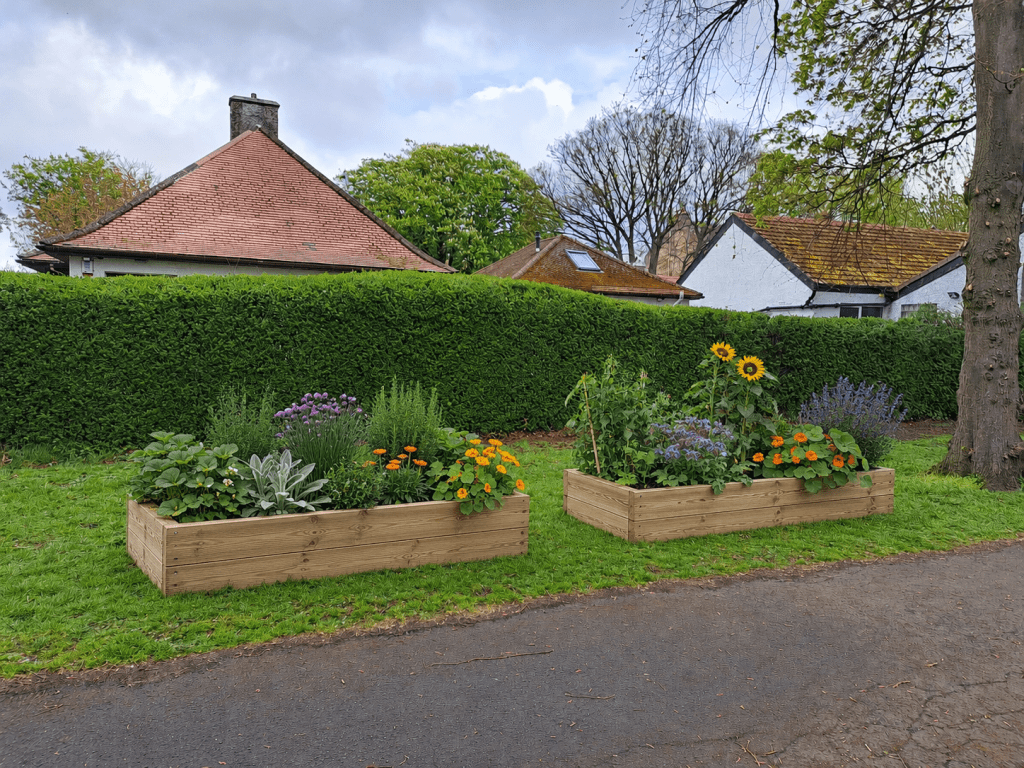
Plans include child-accessible planters using peat-free compost. One will provide a sensory and edible growing experience for nursery children, while another can be used by older pupils for science and biodiversity work.
Children will be able to grow plants, investigate plant life cycles, observe insects, undertake pollinator counts, measure growth and explore how plants, wildlife, weather and people interact.
The project also creates opportunities for older pupils to support younger children, combining environmental learning with responsibility and community participation.
Our wider ambition is to involve primary and secondary schools across Corstorphine and Clermiston in activities such as pollinator corridors, tree and wildlife mapping, biodiversity surveys, growing projects and climate-resilient planting.
This matters because climate action is not simply about infrastructure. It is also about giving the next generation the knowledge, confidence and practical experience to understand and care for their local environment.
Sustainable Sourcing & Circular Economy
We want the way we plant to be environmentally responsible as well as the planting itself.
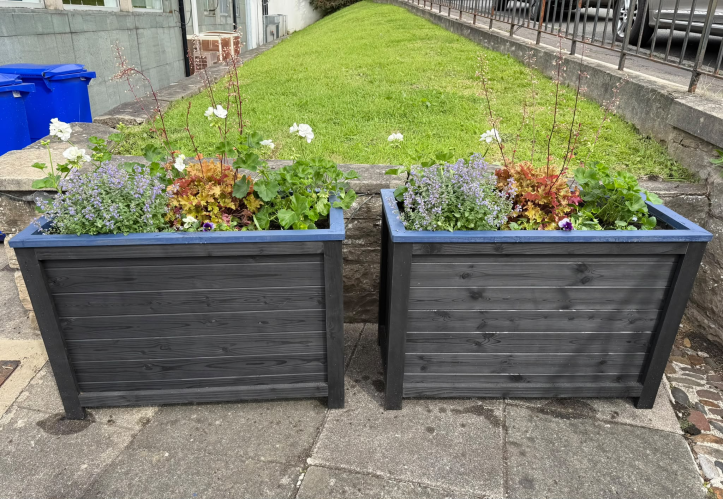
Our approach includes using peat-free growing media, reusing existing planting infrastructure where possible, bringing neglected planters back into use and using containers such as wooden whisky barrels for community planting.
Composting or closed-loop green waste management.
We are also looking for long-lived planting solutions rather than relying solely on displays that have to be completely replaced every season.
Connecting green spaces
Corstorphine in Bloom covers a much larger area than a single community garden.
Our developing network connects 11 local shopping areas and five parks, alongside schools, businesses, libraries and other community locations.
By spreading planting across the neighbourhood, we can create a series of small green stepping stones rather than isolated pockets of habitat.
Our long-term ambition is to connect gardens, parks, verges, businesses and community spaces into a recognisable local green network.
Encouraging walking and connection with nature
The project is developing a walkable trail connecting the parks and shopping areas.
This gives residents and families another reason to explore Corstorphine on foot, links people with their local parks and businesses, and encourages everyday physical activity without requiring a car journey.
Our proposed work with Edinburgh Zoo adds an educational dimension, using wildlife and endangered-species themes to encourage children and families to learn more about biodiversity and conservation as they follow the trail.
Making environmental action accessible
Climate action can sometimes appear complicated or require a large commitment of time. We want to make participation much easier.
Someone does not need to be an experienced gardener or describe themselves as a climate activist to take part in Corstorphine in Bloom.
People can help for 10 or 15 minutes by watering a planter, removing weeds, planting bulbs, recording wildlife or helping at a community session. There are opportunities for families, older people, businesses, schools and people with limited time or mobility.
These small entry points can introduce a much wider group of people to practical environmental action.
Building community capacity
Our most important long-term resource is not the planters — it is the network of people looking after them.
Corstorphine in Bloom is bringing together residents, local businesses, schools, community groups, the Community Council, the City of Edinburgh Council and other organisations.
Through volunteering, people gain practical skills and confidence in planting, biodiversity and maintaining green spaces. Local businesses and community organisations become active participants rather than simply sponsors.
The result is greater local capacity to take environmental action in the future.
Learning and measuring
We want to understand what works rather than simply assume that planting produces environmental benefits.
As the project develops, we aim to measure practical outcomes including:
- locations improved and habitat created;
- numbers of volunteers and volunteer hours;
- new people taking part;
- businesses, schools and community organisations involved;
- pollinator and other biodiversity observations;
- the range and flowering period of pollinator-friendly plants; and
- participation in our walking and wildlife trail.
This will allow us to improve the project over time and demonstrate its environmental and community impact.
Our longer-term ambition
Between 2026 and 2030 we want to move from individual planting projects towards a connected neighbourhood approach.
Our ambitions include permanent perennial beds, wildflower areas, a pollinator corridor connecting gardens, parks and verges, climate-resilient planting and stronger local volunteer networks.
Corstorphine in Bloom is therefore about much more than flowers.
It is a practical way for hundreds of ordinary people, businesses and organisations to take small, achievable actions which together make Corstorphine greener, more wildlife-friendly and more resilient.
Find out more
There is much more detail elsewhere on our website, including:
Pollinator Garden Evidence — the evidence behind urban pollinator planting.
How to Design Pollinator Corridors — our approach to connected habitat, native plants, peat-free compost, sustainable watering and pesticide avoidance.
Long-Term Goals 2026–2030 — our plans for perennial planting, wildflower areas, pollinator corridors and climate resilience.
Council Aims and Corstorphine in Bloom — how the project supports Edinburgh’s biodiversity, greenspace and climate objectives.
Our Progress and Next Steps — what has already happened and what we are doing next.
Corstorphine Safari — plans to connect wildlife education, planting, parks, businesses and walking.

