
There are the four secondary schools and six primary schools within (or whose catchment area intersects) the Corstorphine and Clermiston Community Council area and linked each activity to relevant parts of the Curriculum for Excellence (CfE).
🌟 Summary for Schools
Corstorphine in Bloom activities directly support:
- STEM learning
- Biodiversity & sustainability
- Health & wellbeing
- Citizenship & community involvement
- Creative arts and literacy
- Outdoor learning across all levels of CfE
Schools gain:
- Rich learning outdoors
- Pride in their community
- Leadership and teamwork skills
- Opportunities for wide achievement awards
- Stronger links with local groups and businesses
🌼 How Local Schools Can Get Involved with Corstorphine in Bloom


Corstorphine in Bloom provides rich, hands-on learning opportunities for both primary and secondary pupils. Schools can participate in ways that support learning, well-being, community identity, biodiversity, and local pride.
Below is a practical menu of involvement options, plus a breakdown of curriculum links so teachers immediately see the educational benefit.
👩🏫 PRIMARY SCHOOLS (6 schools)
(The ctachments for Carrick Knowe, Corstorphine, East Craigs, Clermiston, Fox Covert, Gylemuir.)
Approach: Hands-on, playful learning connecting nature, local history, art and citizenship.
🌱 Activities for Primary Pupils
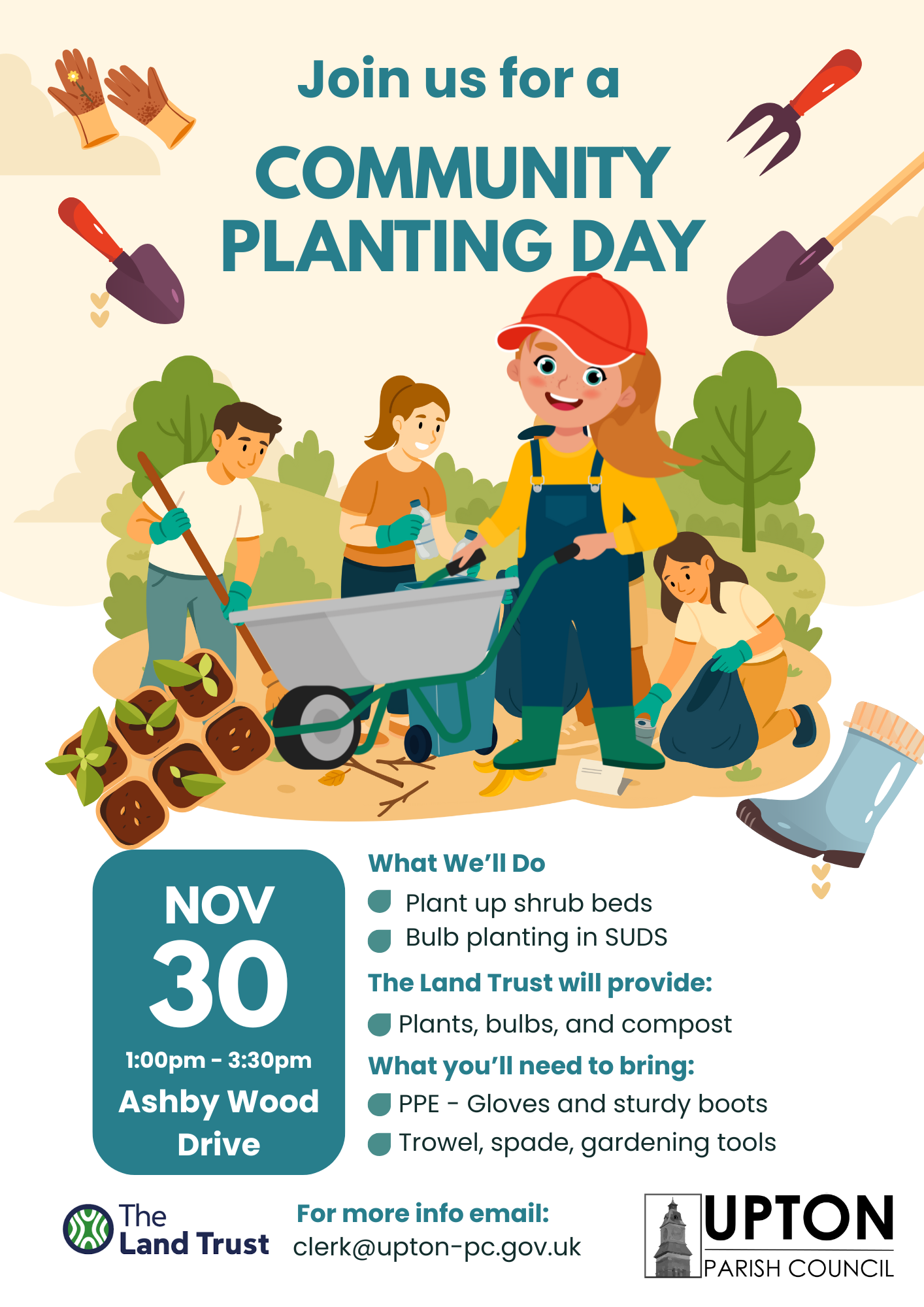
- Class Planters or Window Boxes
Pupils design, plant and care for seasonal flowers or pollinator-friendly plants. - “Mini-Nature Rangers” Sessions
Bug hunts, bird surveys, tree ID, soil exploration in their playground or nearest green space. - Art & Storytelling Projects
Create animal-themed art for shop fronts, sculpture trails, or “design a mascot” competitions. - Litter-picking and Clean-up Events
Fun, supervised sessions that connect responsibility with pride in Corstorphine. - Grow-Your-Own Projects
Pots of herbs, vegetables, or wildflower patches linked to healthy eating. - Seasonal Events
Pumpkins, Easter displays, Christmas planters, Roman-themed planting (to link with your Roman Fort Builder work!).
📘 CfE Curriculum Links for Primary
Sciences
- Biodiversity, plants, living things (SCN 0-01a / 1-01a / 2-01a)
- Investigating what plants need to grow (SCN 1-03a)
Social Studies
- Local environment and community (SOC 0-08a / 1-08a)
- Caring for places and people (SOC 1-08a)
Health & Wellbeing
- Active outdoor learning (HWB 1-25a)
- Contributing to the school and wider community (HWB 0-12a / 1-12a)
Literacy & Expressive Arts
- Create posters, short reports, poems (LIT 1-28a, EXA 1-02a)
- Artworks for displays, trails, or competitions (EXA 1-03a / 2-03a)
Maths
- Measuring plant growth, counting species, graphing results (MNU 1-20a)
🧑🎓 SECONDARY SCHOOLS (4 schools)
(The catchments for Forrester, St Augustine’s, Craigmount, and The Royal High School catchments)
Approach: Skill-building, citizenship, environmental stewardship, employability.
🌿 Activities for Secondary Pupils
- Community Gardening & Streetscape Projects
Pupils help design or maintain planters, pollinator corridors, and pocket gardens. - Sustainability & Biodiversity Projects
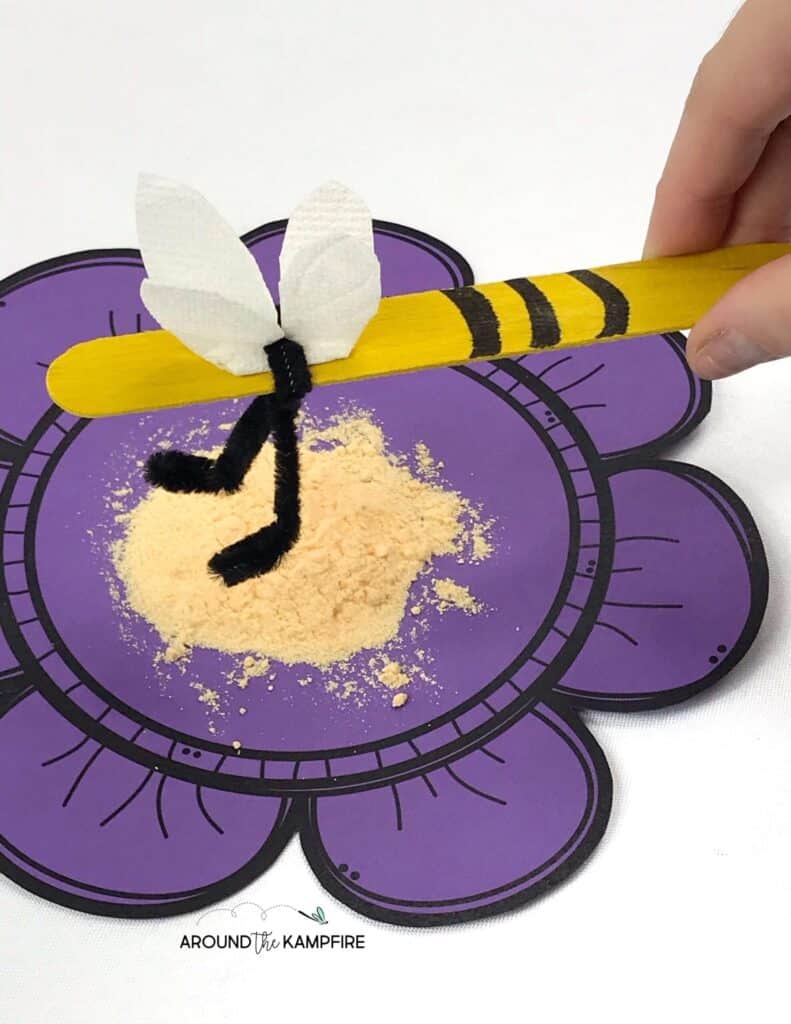
Creating bee hotels, analysing local habitats, mapping biodiversity for the Edinburgh Nature Network. - Graphic Design / Digital Media
Produce branding, posters, social media content, QR codes for trails. - STEM Projects
Watering systems, soil testing, weather monitoring stations, seed germination experiments. - Youth Leadership / Duke of Edinburgh Volunteering
Support supervised gardening sessions, lead younger pupils on nature tasks, help at events. - Local Heritage Links
Trails that combine natural heritage with Corstorphine history (zoo links, Roman history, railway, mills, etc.).
📘 CfE Curriculum Links for Secondary
Sciences (Biology, Environmental Science)
- Ecosystems, habitats, human impact (SCN 3-01a / 4-01a)
- Practical investigations and fieldwork (SCN 3-20a)
Social Subjects (Geography, History, Modern Studies)
- Local land use, sustainability, climate (SOC 3-08a / 4-08a)
- Community participation and citizenship (SOC 3-17a)
Health & Wellbeing
- Outdoor learning supporting physical and mental well-being (HWB 3-25a)
- Volunteering and leadership (HWB 3-12a)
Technologies
- Digital design, mapping, website content creation (TCH 3-04a / 4-04a)
- Engineering solutions for planters, water systems, signage (TCH 3-09a)
Expressive Arts
- Public art, murals, planter decoration (EXA 3-05a)
Maths & Numeracy
- Data collection for biodiversity surveys, analysing trends (MNU 3-20a)
Duke of Edinburgh & Wider Achievement
- Regular gardening, assisting trails, event support counts towards volunteering hours.
🌼 Cross-School Flagship Projects (Primary + Secondary)

These can involve all 10 schools in Corstorphine:
1. Corstorphine Animal Trail
- Each school adopts an animal theme.
- Pupils create artworks, planters, and QR-code learning points.
- Links to biodiversity, expressive arts, literacy, social subjects.
2. Pollinator Corridor from St John’s Road to Parks
- Schools grow pollinator plants for shops, parks, verges.
- Connects to Climate & Nature targets (LOIP, City Plan 2030, Edinburgh Nature Network).
3. “My Green Corstorphine” Mapping Project
- Older pupils mentor primaries in mapping trees, wildlife, and green spots.
- Links to geography, digital technologies, science.
4. Seasonal Community Displays
- Halloween pumpkins, Christmas planters, Spring bulbs, Summer colour.
- Great for intergenerational work with care homes and local groups.

